Farm kids find the simplest ways to entertain themselves. Making hay is hard work, but building forts while putting that hay up in our barn was tons of fun. (There were only regular small bales back then and, sad to say, there are very few places that still make them today.) Rolling down our steep hills was also a form of great joy, and then there was the Milkweed plant.
It is a weed, so, as such, most farmers would destroy them in favor of their paying crop. We played with ours, which, I think, made our father a bit mad. If you broke open the stem, it produced a milky substance that was very sticky (just try to mess with the plant without getting sticky!?! Can’t happen.), but our favorite part was the pods.
It is a strong and pretty plant that produces a heavy bushy type of flower during the summer and is best known as the perfect food for the Monarch butterflies. Then as the summer ends and fall begins, they grow these pods. The pods are filled with tons of little brown seeds, and each seed is attached to a very light and feathery stem. This is where dad would get mad.


We would break open the pods and purposefully pull out all the seeds on their feathers and throw them up into the air. We would pretend they were little fairies floating all around us. Pretty obvious why dad didn’t like it, but also pretty sure Mom Nature loved us for it.
Countryside.com just sent me this email:
Milkweed Plant: A Truly Remarkable Wild Vegetable
Discover the Many and Varied Milkweed Plant Uses, Including Sustenance for Butterflies
It is a perfect read, especially since I have never looked at them as a veggie, but they needed to add the joy that it can bring to little kids as one of its best benefits.
On a side note, I need to thank our neighbors. They own big fields of paying crops (including crops that go into cow bellies) but have never stopped to ask us to get rid of them. The plant was not originally on our farm. The first one showed up in our front yard about five years ago, and my sister and I protected it. No, we did not pop open the pod and watch the fairies dance (but it was a thought); it did that all on its own. We just encouraged it to grow and enjoyed watching it feed our honeybees, butterflies, and other beneficial bugs.


You can also check me out at: https://lifelessonslived.com/ for all the fun things I have learned in life.




 (yes, this was him but two years ago – notice that his foot is holding down a stuffed pig doll)
 (my fav Tarzan!)


 I can also take smaller bits of older hose and just connect them to flow from growing space to growing space by putting male and female connection ends on them.

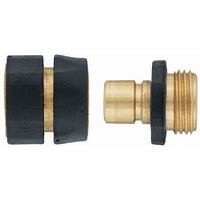 We have a number of rows instead of regular box plots with growing stuff. We also figured out that putting the drip line below the ground by the roots was more efficient than just placing it on top of the soil. After a while, the drip lines can leak or split bigger holes. Having it below ground stops it from spraying in a place we don’t want to be watered, keeps the moisture by the roots where it is needed, and if it is a big leak, it will cause pooling. When I find pooling I mark it until I am done watering that row. Then I grab one of these:
 (This one, by the way, is awesome! The ends (green parts) keep it all together much easier, tighter, and quick to switch out as needed.)

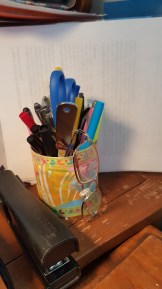 (Grandson made this one for me)
 (Ya gotta love SNL and everything Christopher Walken does – both are classics!)







 (The cute little green pods become dry hard “spikey” beasts!)
 (This is a younger full-size plant – the cute yellow flowers will become the green pods which, in turn, become the ugly beasties!)

 HELBERG FARM STORIES